

toughened obscure glass
Understanding Steel Check Valves Essential Components in Fluid Systems Steel check valves are crucial components in various fluid control systems, serving a fundamental purpose in ensuring that fluids flow in the appropriate direction while preventing backflow. These devices are best known for their robust construction and reliability, making them a popular choice in many industrial applications. What is a Steel Check Valve? A check valve is a type of valve that automatically prevents backflow in a system, allowing fluid to flow in only one direction. Steel check valves are made of high-strength steel materials, which make them ideal for high-pressure systems and harsh environments. The valve’s design includes a movable disc or ball that opens with the flow of fluid and closes when the flow reverses, sealing off the system to prevent backflow. Applications of Steel Check Valves Steel check valves find their use in a variety of industries, including water treatment, oil and gas, chemical processing, and power generation. Their ability to handle substantial pressure makes them an ideal choice for applications where safety and reliability are paramount. 1. Water Treatment Facilities In water treatment plants, check valves prevent the backflow of treated water into the system, ensuring that contaminants do not re-enter the clean supply. 2. Oil and Gas In the oil and gas industry, these valves help manage the flow of hydrocarbons, protecting pipelines and storage facilities from backflow that could lead to spills or explosions. 3. Chemical Processing Steel check valves are used extensively in chemical plants, where they control the flow of corrosive substances and prevent dangerous reactions by ensuring that fluids do not flow back into systems where they could cause harm. steel check valve 4. Power Generation In power plants, these valves are integral to maintaining the efficiency and safety of cooling water systems. They help manage the flow of water to turbines and other machinery, preventing operational disruptions. Advantages of Steel Check Valves One of the major advantages of steel check valves is their durability. The use of steel, a material known for its high strength and resistance to corrosion, ensures that these valves can withstand extreme conditions and maintain a long service life. Additionally, steel check valves typically have a higher pressure rating compared to those made from other materials, making them suitable for high-pressure applications. Another key benefit is the low maintenance requirement. Check valves are designed to operate automatically with minimal need for manual intervention, which reduces downtime and maintenance costs in industrial settings. Selecting the Right Steel Check Valve When selecting a steel check valve for a specific application, several factors must be considered 1. Pressure Rating Ensure the valve can handle the specific pressures within the system. 2. Temperature Range Check the temperature compatibility of the valve with the fluid being transported. 3. Size and Flow Rate Choose a valve that matches the size and flow requirements of the system to ensure optimal performance. 4. Installation Location Consider factors such as accessibility and orientation, as these can affect the valve's efficiency. Conclusion Steel check valves are indispensable in many fluid handling applications. Their ability to prevent backflow, coupled with their durability and low maintenance requirements, makes them an excellent choice for various industrial environments. Understanding how these valves work and their applications can help engineers and operators optimize their systems for safety and efficiency. As industries continue to evolve, the role of steel check valves will remain central to maintaining the integrity of fluid flow systems worldwide.
about
toughened obscure glass
Replacing a Water Shut-Off Valve A Step-by-Step Guide Water shut-off valves are crucial components in any plumbing system, allowing homeowners to control the flow of water to various fixtures and appliances. Over time, these valves can wear out, become corroded, or simply malfunction, leading to leaks or an inability to shut off the water supply. When faced with such issues, replacing the water shut-off valve becomes a necessary task. This article provides a detailed guide to help you successfully replace a water shut-off valve in your home. Understanding the Importance of Shut-Off Valves Shut-off valves are typically found near toilets, sinks, and washing machines. They allow you to isolate these specific areas for repairs or maintenance without affecting the entire plumbing system. When a valve fails, it can lead to water damage, increased utility bills, and other inconveniences. Therefore, understanding how to replace a faulty valve is a valuable skill for any homeowner. Tools and Materials Needed Before you begin the replacement process, gather the following tools and materials - Pipe wrench or adjustable wrench - Screwdriver (flathead or Phillips, depending on the valve) - Replacement shut-off valve - Plumber’s tape (Teflon tape) - Bucket or towel (to catch any water) Step-by-Step Guide to Replacing a Shut-Off Valve Step 1 Turn Off the Main Water Supply Before you start working, locate your home’s main water shut-off valve and turn it off. This step is crucial to prevent any water from flowing while you replace the valve. Step 2 Drain the Pipes After shutting off the main supply, open a faucet at the lowest point in your home to relieve pressure and drain any remaining water from the pipes . This will help minimize water spillage when you remove the old valve. Step 3 Remove the Old Valve Using a pipe wrench, carefully loosen the nuts that hold the old valve in place. Start with the nuts connected to the supply pipe. Once loose, you can remove the valve by twisting it off. Be prepared for some residual water to spill; having a bucket or towel handy will help contain the mess. replacing water shut off valve Step 4 Prepare the New Valve Take your replacement shut-off valve and wrap the threads of the inlet pipe with plumber’s tape. This tape ensures a watertight seal when you attach the new valve. Be sure to wrap it in the direction of the threading to avoid unraveling when you screw on the valve. Step 5 Install the New Valve Align the new valve with the inlet pipe and hand-tighten it first to avoid cross-threading. Once it’s hand-tight, use the pipe wrench to secure it further, but be careful not to overtighten, as this can damage the valve or the pipe. Step 6 Connect the Outlet Side If your valve has a connection to a fixture (like a faucet or toilet), attach that connection now. Again, use plumber’s tape on the threads before tightening. Step 7 Check for Leaks After the new valve is in place, turn the main water supply back on. Slowly open the new shut-off valve and check for leaks around the connections. If you see any leaking water, you may need to tighten the connections a bit more or reapply plumber’s tape. Step 8 Test the Valve Finally, test the functionality of the new shut-off valve by turning it off and on a few times. Ensure it fully stops the water flow when closed. Conclusion Replacing a water shut-off valve is a straightforward DIY task that can save you money on plumbing repairs. By following these steps, you can ensure that your water system operates efficiently and that you have full control over your water supply when needed. Always remember to prioritize safety by turning off the main water supply before beginning any plumbing work. With the right tools and a bit of patience, you can successfully tackle this home improvement project on your own.
-

High quality industrial productsagement

High quality industrial products
View Details -

Meet the diverse needs of customers

Meet the diverse needs of customers
View Details -

Strict quality control

Strict quality control
View Details -

Top raw materials

Top raw materials
View Details -

Trusted supplier

Trusted supplier
View Details
Our application


news and information

Versatile Clamps for Securely Holding Workpieces on Welding Tables
The Essential Guide to Welding Table Clamps Welding is an integral part of various industries, from
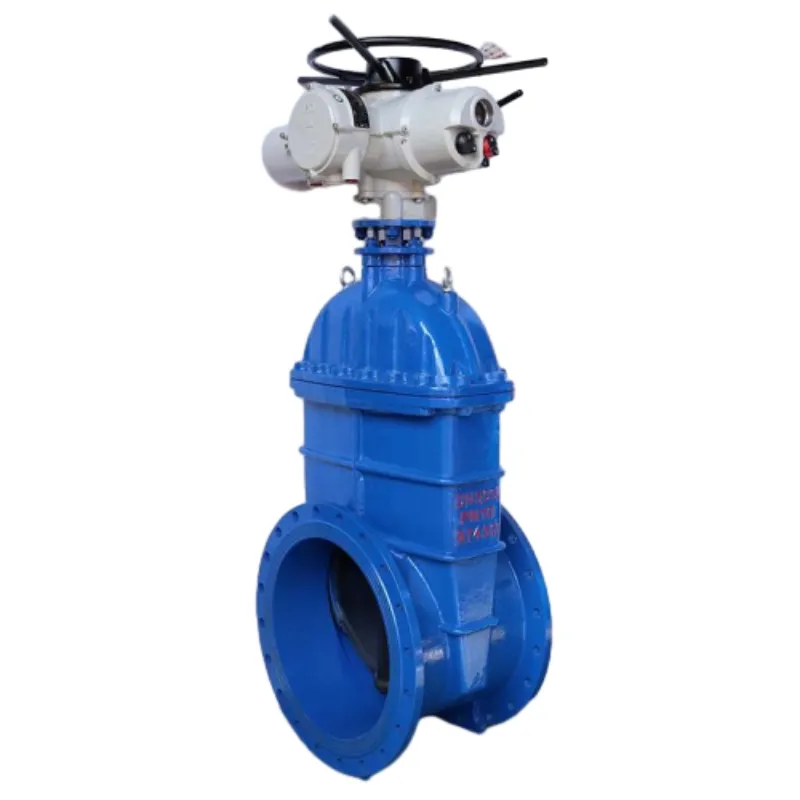
Valvola di ritegno da 4 pollici
La valvola di ritegno da 3 4 pollici è un componente essenziale nei sistemi idraulici e pneumatici.

Verkauf von parallelen Linealen für präzises Messen und Zeichnen
Parallel Lineale Präzision und Vielseitigkeit für jeden Bedarf Wenn es um präzises Zeichnen, Skalier
 English